Lemurs, Otters, Giraffes, Oh My: Cincinnati Zoo’s Lecture Series Is Back
Published on March 18, 2026• Updated on March 19, 2026 by Megan Lavilla
Just as various mammals and birds start their return migration in the spring, so too do naturalists and scientists flock back to the Cincinnati Zoo in March. It’s the return of the Barrows Conservation Lectures that brings them to Cincinnati, and this year the lineup is nothing short of illuminating. If you find yourself free on weekday evenings, there are four dates you can attend this spring, all on Wednesdays at 8pm.
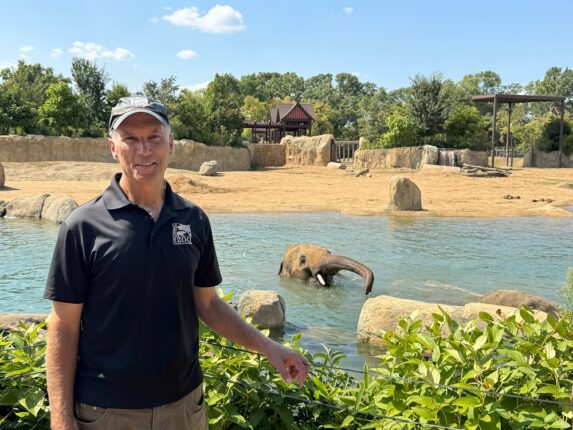
Thane Maynard, the longtime director and now Executive Chair of the Cincinnati Zoo and Botanical Garden, invites all to enjoy the series this year. “It’s a lot of fun; the evening lectures are spaced out every couple of weeks here at the Zoo,” Maynard says.
“Nowadays, you can find a podcast to hear someone speak, but it's different when a group gathers in person, sharing the same intention: to really say, ‘Gosh, I care a lot about these particular species or just the protection of nature. And I want to hear from the people that are out there, if you will, on the front lines.’ It's a charming thing. I'm glad we still do it.”
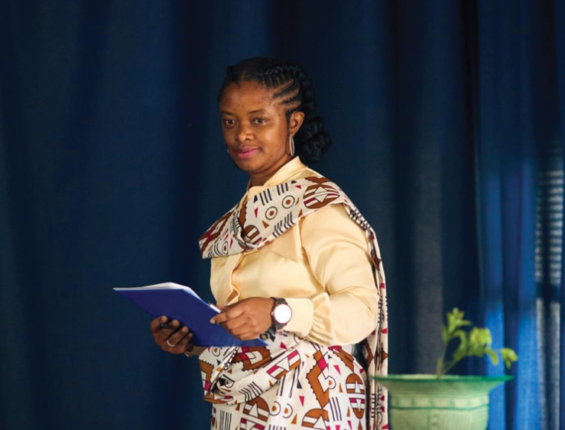
This year, guest lecturers will come from far and wide – some from the other side of the U.S., and some from the other side of the world. The first of these is a Malagasy powerhouse from Madagascar, Julie Hanta Razafimanahaka. She’s been the director of a biodiversity conservation nonprofit there called Madagasikara Voakajy and will be at the Cincinnati Zoo on the evening of March 18th.
“In many parts of the world, conservation is being led by young women. Julie is such a good example of that, contributing to both sides of conservation: community work and science,” Maynard says. “Madagascar is what’s called a hotspot, meaning one of the most biodiverse places in the whole world, and most of the species are endemic, meaning they only live there in Madagascar. Because of this, the hundreds of species are very threatened, and so hers will be a story of getting local communities to both care about it and also benefit from saving wild areas.”
Maynard will also be traveling to Madagascar in the fall, where he looks forward to observing the incredible biodiversity for himself and hopes to contribute to the same mission. “I hope our visit can spread awareness and also benefit the local folks, since they’ll be the tour guides taking us into the forests,” he comments.
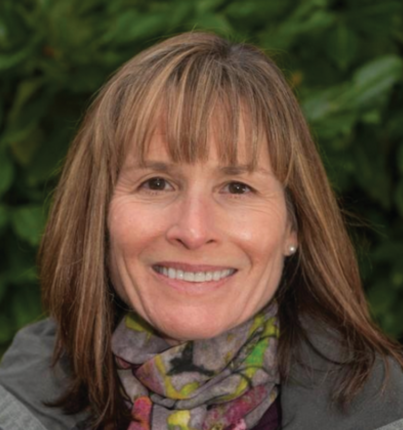
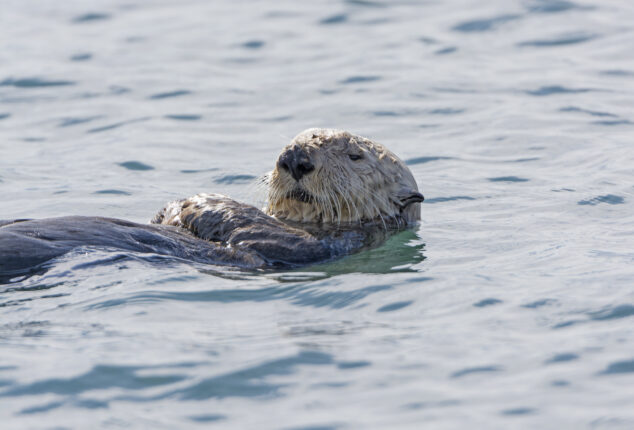
April 8th is the next lecture date, featuring Jane Bacchieri, the Executive Director of Elakha Alliance, a nonprofit working to restore the Oregon coast’s population of sea otters. Their website clarifies that their organization’s name comes from the Chinook trading language and means “sea otter.”
Maynard explains how her lecture ties into the Cincinnati Zoo. “We have a new sea otter exhibit here at the zoo, these terrific two animals, Chloe and Kevin. They’re very active, very fun and a fan favorite,” he mentions.
“Sea otters are built to live in cold water, but as a result, they’re hungry. So all of us love the animals, but for people who make a living fishing, they sometimes feel conflicted with them because they can eat so much. The Elakha Alliance works very closely with the local communities, figuring out the best way the community can both have room and advantages from otters.”
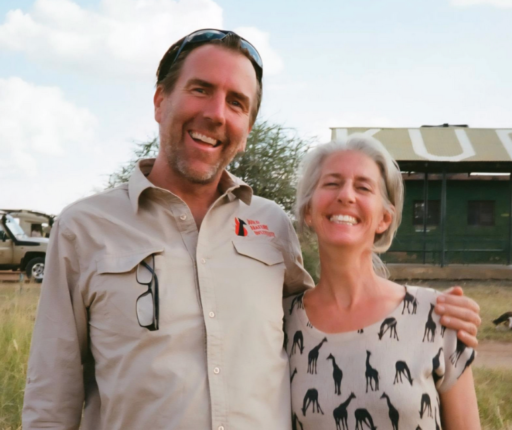
The next lecture, featuring Dr. Derek Lee and Dr. Monica Bond, fittingly occurs on Earth Day, April 22nd. The pair, a husband and wife duo, spend their time in Tanzania, where they research giraffe behavior, among other species.
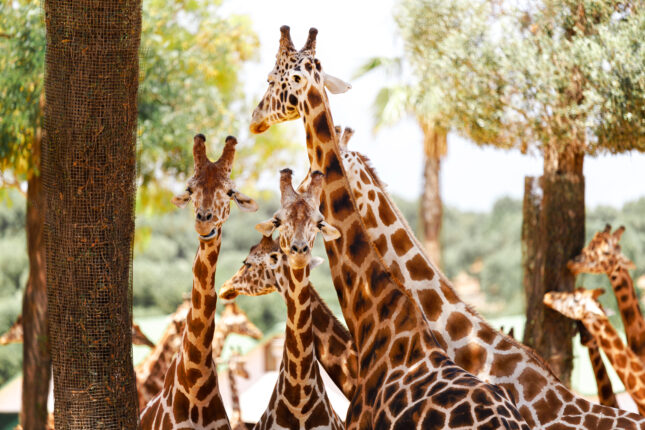
“We have a great giraffe exhibit here. Giraffes are one of the most popular animals in the world; they’re iconic and beloved. So we’re bringing in some of the world’s biggest experts on giraffes for this talk,” says Maynard.
“Now, the trouble with big mammals in Africa, like giraffes, is that as there are more and more people living in Africa, a lot of times these animals only end up able to thrive inside national parks. But in order to thrive long-term, they need to thrive outside of the parks as well, and building wildlife corridors helps with that.”
Lee and Bond will be discussing their efforts to prevent the extinction of the tallest terrestrial mammal, sharing their adventures working in Tarangire National Park in Tanzania’s Manyara region, as well as their experiences cofounding the Wild Nature Institute.
Since the lecture is on Earth Day, the Wild Nature Institute is partnering with the Zoo and the Cincinnati Recycling and Reuse Hub to host a drop-off event for items such as batteries, lightbulbs and electronic waste (old phones, e-readers and the like).
The Barrows Conservation Lecture series celebrates its 34th anniversary this year and is paired with the Zoo’s annual Wildlife Conservation Award, which is presented to one of its speakers. Both started in 1993, with the lecturer and award winner being the late, acclaimed primatologist Jane Goodall.
Just like Goodall, the final lecture of this year is hosted by the winner of the 2026 Wildlife Conservation Award, Dr. Rae Wynn-Grant. Maynard mentions that she might be a familiar name for some; not only is she a PhD, conservationist and author, but she’s also the co-host of NBC’s Mutual of Omaha’s Wild Kingdom Protecting the Wild.
“She’s a great presenter on wildlife and great at explaining why everybody should get involved in saving wildlife,” comments Maynard. “Though she’s young, she has vast experience with both the research she’s done, as well as interpreting content for audiences through shows and her books.”
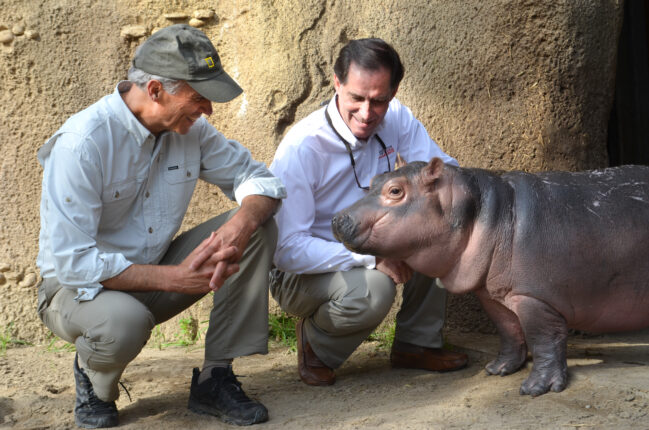
“Our actual mission is to inspire everybody with wildlife every day. We used to say to inspire all our visitors, but now we reach so many people – whether it’s streaming a lecture, social media or Fiona the Hippo, that we actually have more followers from far away than we have here in town. So that idea of inspiring all people with wildlife is why we do this, and Dr. Rae Wynn-Grant’s a perfect fit for that.”
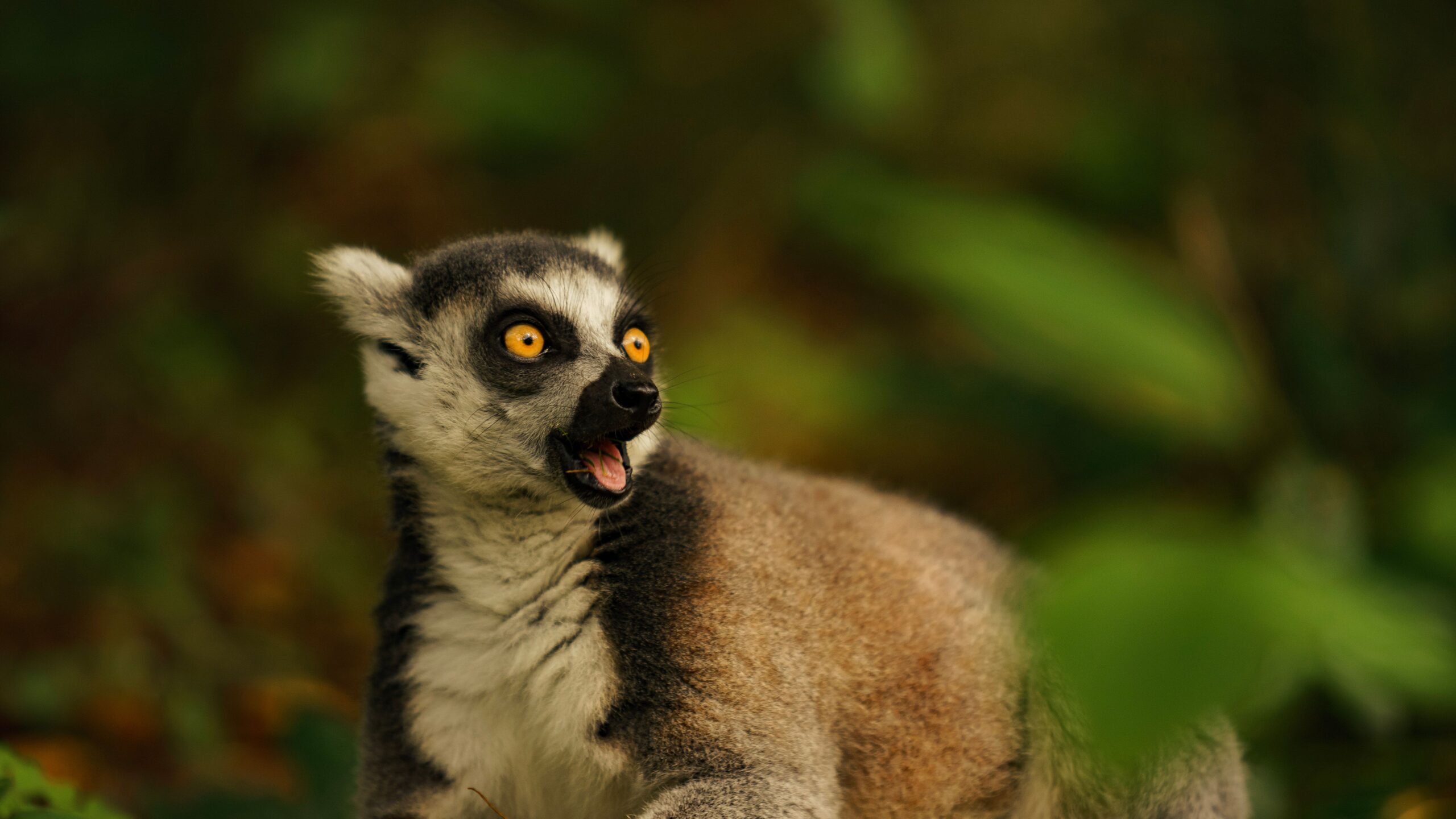
To make matters more interesting, Maynard states that each lecture subject connects to efforts the Zoo is currently focusing on. For example, the first lecture focuses on the animals and habitats in Madagascar. The Zoo already has lemurs, but they’re planning on building a new lemur exhibit, as well as preparing to take a group of donors to Madagascar. A new exhibit called Sea Otter Coast opened recently, fitting the second lecture topic.
“Of course, giraffes are a star here at the zoo, and we’re building a new giraffe facility that will open in hopefully in a year. So those made sense to bring in the leading giraffe experts,” explains Maynard. “And Wynn-Grant really ties into conservation. The zoo’s very supportive of conservation around the world.”
Of the five guest speakers, Maynard has only met one. “Of these folks, the only one I’ve met is Monica Bond, and I’ve actually met her in Tarangire in Tanzania, but I look forward to meeting the others. The work they all do is great,” he says.
Each lecture is ticketed and in-person on various Wednesday nights at 7:00 pm. They are held in Frisch’s Theater at Cincinnati Zoo, and doors open at 6 pm. Parking is free after 5:00 pm in the Education Parking Lot, Gate Number 1, and overspill parking is available in the Erkenbrecher & Euclid parking lot.
If you’re unable to attend but still interested in the events, you can also watch a stream online for a small fee or view it later. To purchase any of these three options, tickets are available on the Barrows Conservation Lecture page of the Zoo’s website for both members and non-members.